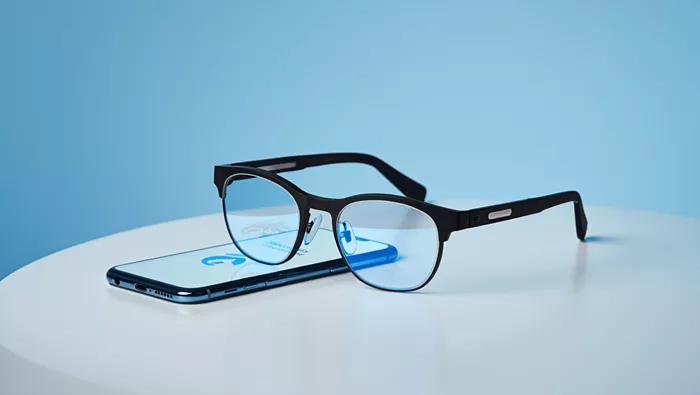
At Google I/O 2026, Google and Samsung unveiled a new generation of Gemini-powered smart glasses, marking a renewed push into wearable AI with a stronger focus on mainstream consumer appeal. Developed in collaboration with fashion eyewear brands Gentle Monster and Warby Parker, the lineup includes both sunglasses and prescription-style frames, signaling a clear shift away from the utilitarian, tech-heavy design language seen in earlier attempts like Google Glass.
The devices are deeply integrated with Google’s Gemini AI, enabling users to access navigation, translations, messaging, and contextual information through voice or touch interactions. The glasses also support AI-assisted photography, real-time translation with tone-aware rendering, and object recognition that can interpret surroundings in real time. Positioned as a companion device, they work alongside Android and iOS smartphones, handling calls, notifications, and music playback while maintaining hands-free usability.
The launch is widely seen as an attempt to challenge the dominance of Meta in the smart glasses market, particularly its popular Ray-Ban Meta smart glasses lineup, which reportedly holds a significant share of global shipments. Meta’s early lead, supported by strong consumer adoption, has set a high bar for competitors trying to bring AI wearables into everyday use.
Google’s strategy mirrors its Android ecosystem approach, relying on multiple hardware partners and a unified Android XR platform to scale adoption. However, challenges remain. Pricing for non-display models is expected to fall between $379 and $499, placing them in direct competition with existing offerings. Privacy concerns are also emerging, particularly around data retention policies linked to Gemini and the broader debate over always-on wearable cameras in public spaces.
While early expectations suggest that success will depend on both fashion appeal and seamless AI integration, industry observers note that long-term adoption will hinge on whether consumers accept wearable AI as part of daily life—or whether concerns over privacy and limited utility keep the category niche.